Source Adjustable Flow Car Cleaning Brush for Floor, Window, and Auto Use
Find and compare 30 adjustable flow car cleaning brush options designed for floor, car, and window cleaning. Browse metal and plastic handle models with nylon heads, available in yellow or multicolor, with customization and OEM logo support for bulk orders.
Key considerations
Products List


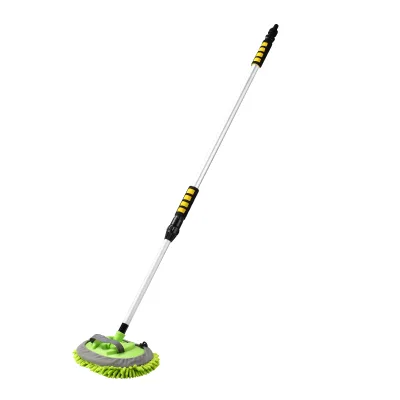
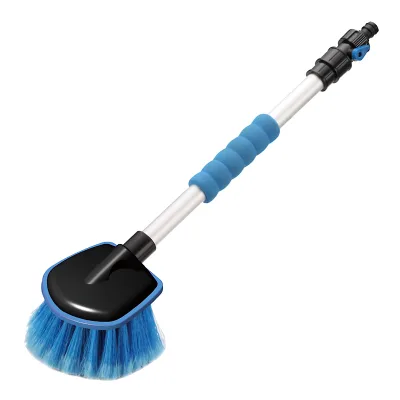


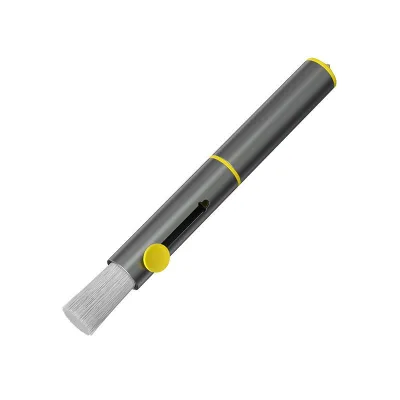


Comprehensive Sourcing Guide
Adjustable Flow Car Cleaning Brush Sourcing Guide
Sourcing specialized automotive cleaning tools requires a nuanced understanding of both material durability and functional design, particularly when evaluating products marketed with features like adjustable flow mechanisms. While the term "adjustable flow" often implies a water-integrated system, the available market data for car cleaning brushes frequently highlights static designs focused on surface interaction rather than fluid dynamics. Buyers must carefully distinguish between brushes that actively mix water and soap via internal channels and those that rely on external spray bottles or manual application. The observed product landscape includes a diverse array of models, ranging from simple hand-held scourers to more complex multi-section tools, each serving distinct cleaning intensities. Understanding this distinction is critical for aligning procurement with specific operational needs, whether the goal is gentle paint protection or aggressive wheel degreasing.
The procurement strategy for these items should be grounded in the specific attributes observed in current listings, such as handle material, head composition, and intended usage zones. Data indicates a strong presence of brushes constructed with metal or plastic handles, paired with nylon or chenille heads, designed for use on floors, cars, and windows. This versatility suggests that many suppliers offer multi-purpose tools rather than single-use specialized brushes. Consequently, buyers should prioritize verification of the brush head’s abrasiveness and the handle’s ergonomic design to ensure it meets the physical demands of frequent use. By focusing on these tangible attributes, purchasers can mitigate the risk of acquiring products that fail to deliver on ambiguous marketing claims regarding flow adjustment or specialized cleaning performance.
Product Scope and Observed Listing Signals
The current market for car cleaning brushes exhibits a wide variance in product configurations, with observed models ranging from simple scourers to more intricate hand-style tools. Listings frequently highlight customization options, allowing buyers to tailor products with specific logos or color schemes, such as yellow or multicolor variants. This flexibility is particularly valuable for private label operations seeking to brand their cleaning kits. However, the presence of both "Customized" and "Non-Customized" attributes in the same dataset indicates that suppliers may offer tiered service levels, where base models are standard and premium versions allow for bespoke modifications. Buyers must clarify these distinctions early in the inquiry process to avoid misunderstandings regarding minimum order quantities and lead times associated with custom branding.
Material composition is a primary differentiator among the observed listings, with clear splits between metal and plastic handles, as well as nylon and chenille brush heads. Chenille materials are often preferred for delicate surfaces like car paint due to their softness and high absorbency, while nylon bristles may be selected for tougher grime on wheels or tires. The observed data also notes specific model numbers, such as TW-CCV1 and 904005, which serve as unique identifiers for suppliers. These model codes often correlate with specific packing methods, such as inner boxes, master cartons, or bulk OPP bags, which directly impact logistics and storage efficiency. Understanding these material and packaging variations allows buyers to select products that balance cost, durability, and presentation requirements effectively.
Technical Specifications to Verify
When evaluating technical specifications, the first priority is confirming the exact dimensions and structural integrity of the brush handle and head. Observed standards include specific measurements such as 3cm, 2.5cm, and 6.5cm, which likely refer to brush head width or handle length. Buyers should verify these dimensions against their operational requirements, as a mismatch can lead to inefficiencies in cleaning large vehicle surfaces or difficulty in reaching tight spaces. Additionally, the distinction between "Short Handle" and standard lengths is crucial for ergonomic considerations, especially for tasks requiring prolonged use. Confirming these physical attributes ensures that the tool fits comfortably in the user’s hand and provides the necessary leverage for effective cleaning without causing strain.
The configuration of the brush sections is another critical technical aspect to verify, with observed products featuring either two or three distinct sections. This multi-section design may refer to dual-sided heads with different textures or materials, offering versatility for cleaning different parts of a vehicle. For instance, one side might be designed for general body washing while the other targets wheels or tires. Buyers should request detailed diagrams or samples to understand how these sections function and whether they are permanently attached or replaceable. Furthermore, the "adjustable flow" claim, if present, must be technically validated through demonstration or detailed engineering specifications, as many observed products do not explicitly support this feature and instead rely on traditional manual cleaning methods.
Compliance and Safety Documentation
Compliance and safety documentation for cleaning brushes typically revolves around material safety and chemical resistance rather than electrical or mechanical hazards. While some background data mentions certifications like REACH and CE, these are often associated with the chemical composition of the materials rather than the product’s functional safety. Buyers should verify that the nylon, chenille, and plastic components comply with relevant regional regulations regarding restricted substances, particularly if the brushes will be used in environments with strict environmental standards. Ensuring that the materials are non-toxic and free from harmful additives is essential for protecting both the end-user and the vehicle’s finish, especially when soaps and detergents are involved.
Documentation should also include clear instructions for use and maintenance to ensure the longevity of the product and the safety of the user. This includes guidelines on how to clean the brush itself, such as rinsing after use to prevent soap residue buildup, which can degrade materials over time. Buyers should request that suppliers provide multilingual instruction manuals or clear labeling on the packaging, particularly if the products are destined for international markets. Additionally, verifying the origin of the materials, such as whether the plastic is sourced from recycled content or virgin polymer, can be important for sustainability reporting. Clear documentation helps mitigate liability risks and ensures that the product is used correctly, preserving its performance and safety profile.
Cost Drivers and Commercial Terms
Cost drivers for car cleaning brushes are primarily influenced by material selection, customization requirements, and order volume. The observed price range of $0.25 to $8.20 USD reflects significant variation based on these factors, with higher prices typically associated with premium materials like metal handles or specialized chenille heads. Customization, such as adding OEM logos or specific color schemes, often incurs additional setup fees and may increase the minimum order quantity (MOQ). Buyers should analyze the total cost of ownership, including packaging and logistics, rather than focusing solely on the unit price. Bulk purchasing can significantly reduce per-unit costs, but it requires accurate demand forecasting to avoid excess inventory.
Commercial terms, including payment methods and lead times, vary among suppliers and should be negotiated based on the order size and relationship history. Observed payment options include Western Union, PayPal, and TT, each with different security implications and processing times. Buyers should prioritize suppliers who offer secure payment methods and clear terms for refunds or replacements in case of quality issues. Lead times are also a critical factor, with sample times often cited as seven working days. For larger orders, buyers should confirm production schedules and shipping options to ensure timely delivery. Understanding these commercial dynamics allows for better cash flow management and risk mitigation in the procurement process.
Supplier Qualification and Quality Control
Supplier qualification for cleaning brushes should focus on manufacturing capability, quality control processes, and responsiveness to buyer inquiries. Buyers should verify the supplier’s production capacity and experience in manufacturing similar products, particularly those with specific material compositions like metal or plastic handles. Requesting references or case studies from previous clients can provide insight into the supplier’s reliability and consistency. Additionally, assessing the supplier’s communication skills and willingness to provide detailed product information is crucial for ensuring a smooth procurement process. Suppliers who are transparent about their capabilities and limitations are often more reliable partners for long-term collaboration.
Quality control measures should be clearly defined and agreed upon before placing orders. This includes specifying acceptable defect rates, inspection procedures, and packaging standards. Buyers should consider implementing pre-shipment inspections to verify that the products meet the agreed-upon specifications, including material quality, dimensions, and packaging integrity. For customized orders, approving samples before mass production is essential to ensure that the final product matches the desired design and functionality. Establishing a robust quality control framework helps minimize the risk of receiving substandard products and ensures that the procurement process delivers value for money.
Long-Term Procurement Checks
Long-term procurement checks involve monitoring supplier performance, market trends, and product evolution to ensure continued value and reliability. Buyers should regularly review supplier metrics, such as on-time delivery rates, product quality consistency, and responsiveness to issues. Establishing key performance indicators (KPIs) and conducting periodic supplier audits can help identify areas for improvement and maintain high standards. Additionally, staying informed about market trends, such as new materials or design innovations, can provide opportunities to upgrade products and enhance competitive advantage. Regular communication with suppliers fosters a collaborative relationship and encourages continuous improvement.
Product lifecycle management is also critical for long-term success, requiring buyers to assess the relevance and demand for specific brush models over time. As vehicle cleaning technologies and consumer preferences evolve, suppliers may introduce new products with improved features or materials. Buyers should be open to adapting their procurement strategies to incorporate these innovations, ensuring that their cleaning tools remain effective and efficient. Furthermore, evaluating the sustainability of the products, such as the use of eco-friendly materials or recyclable packaging, can align with broader corporate social responsibility goals. By proactively managing these aspects, buyers can build a resilient and forward-thinking procurement function.
FAQs
What customization options are available for the brush handle?
Customization is available for the brush handle, allowing buyers to specify unique requirements before placing an order. The product features a metal handle material and can be customized with an OEM logo upon request, ensuring the final product meets specific branding needs.
Which materials are used for the brush head and handle?
The brush head is made of nylon, while the handle is constructed from metal or plastic depending on the specific model. Some variations also incorporate PP and Chenille materials, providing durability and flexibility for various cleaning tasks including floors, cars, and windows.
Can I order a small quantity of adjustable flow car cleaning brushes?
Yes, you can order small quantities as the minimum order quantity ranges from 1 to 5000 pieces depending on the supplier. Specific models like the 904001 series may have an MOQ of 3000 pieces, while others allow for lower initial orders to test the product quality.
How are the brushes packed for shipment?
The brushes are packed in inner boxes and master cartons, or sometimes in bulk or OPP bags depending on the model. This packaging ensures protection during transit, with options like cartons available for standard orders to maintain product integrity until delivery.
What is the lead time for sample production?
The sample time is typically 7 working days for most models. This allows buyers to verify product quality and specifications before committing to a larger order, ensuring the adjustable flow car cleaning brush meets the required standards for their specific application.
Which payment methods are accepted for these brushes?
Accepted payment methods include West Union, Paypal, and Tt. These options provide flexibility for international buyers, facilitating secure transactions for orders ranging from small samples to large bulk purchases of the adjustable flow car cleaning brush.
Where are these brushes manufactured?
These brushes are manufactured in China, with specific origins noted in Shanghai and Zhejiang. This location allows for efficient production and shipping, ensuring that the adjustable flow car cleaning brush is sourced from established manufacturing hubs known for quality output.